
Choose an anodized heat sink wholesaler by checking finished stock, batch records and repeat-order controls before comparing price. A catalog picture cannot establish that the quoted profile is available in the required length or finish. If a supply anodized heat sink wholesaler search returns similar-looking products, ask each supplier to identify the exact stocked part and the evidence that will accompany delivery. That gives your purchasing and engineering teams something they can verify.
This guide focuses on buying through a wholesaler or distributor. You may receive stock made by another company, cut from a longer profile or held across several warehouses. Define which operations the seller performs, which requirements the delivered part must meet and how the seller controls substitutions. Those questions affect fit, traceability and the consistency of later orders.
1. What should an anodized heat sink wholesaler supply?
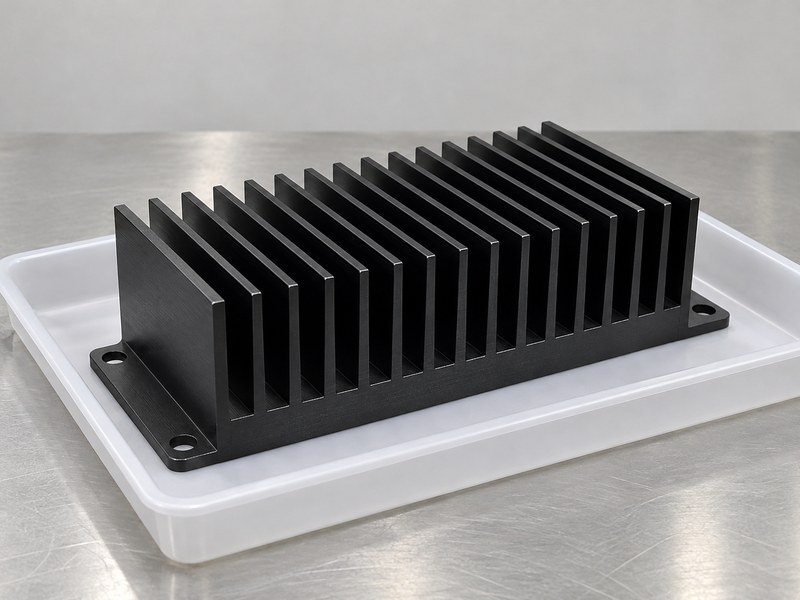
An anodized heat sink wholesaler should supply the identified finished component together with the records and delivery conditions agreed in the order. Confirm whether the seller holds stock, arranges production or sources from several manufacturers. Each model can serve a purchasing need, but it changes who controls the extrusion, finish and stock revision. Ask the seller to describe that route before accepting an availability statement.
Which responsibilities need a named owner?
Identify who cuts the material, performs additional machining and approves the final finish. If another business performs an operation, establish how its requirements reach that business and how the result is checked. Keep commercial responsibility with a named supplier rather than assuming a factory contact will resolve a distributor’s delivery issue. The quotation should describe the supplied scope clearly enough that receiving inspection knows what to expect.
- Identify the seller’s supply model.
- List operations included in the offer.
- Assign responsibility for supplied records and conformity.
| Supply activity | Responsibility to establish |
|---|---|
| Stock holding | Part identity and availability |
| Cutting or machining | Final dimensions and inspection |
| Finishing | Process, coverage and batch evidence |
Use the same responsibility boundaries when comparing competing quotations.
2. How do you verify that the right stock exists?
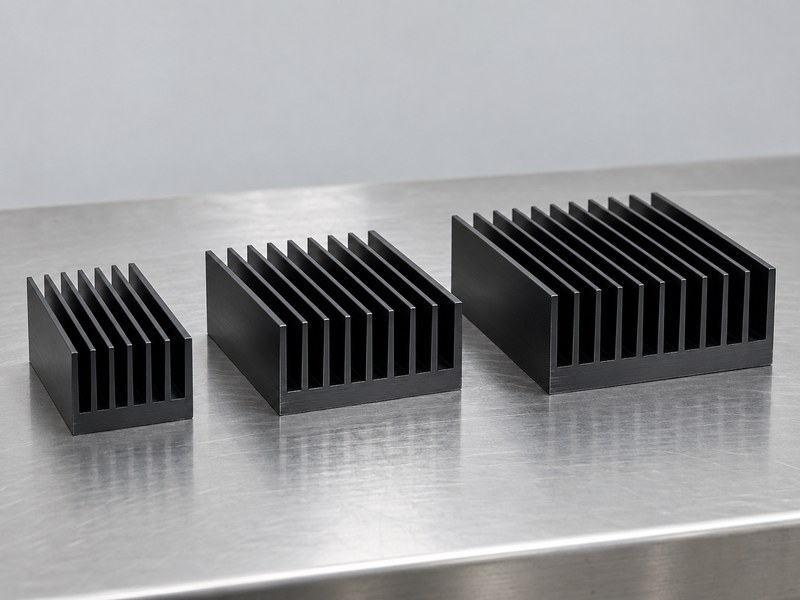
Verify an anodized heat sink wholesaler’s stock against a part identifier and specification, not a general product family. A profile drawing can remain in a catalog after its stock has been consumed or moved. Confirm the available quantity, finished condition and location for the item being quoted. Also distinguish material that is ready to ship from material that still needs cutting, machining, finishing or inspection.
What does an availability confirmation need to cover?
Ask whether the stock is allocated to your order and how the seller handles a shortage before shipment. Check whether quoted units come from one lot or several lots, particularly when appearance or traceability requirements matter. If delivery relies on a finishing or cutting operation, include that operation in the promised delivery scope. Avoid treating an unprocessed bar and a ready-to-assemble component as the same inventory state.
- Confirm the exact part and available quantity.
- Identify remaining processing or inspection.
- Agree how shortages and split lots will be reported.
| Inventory state | Buyer check |
|---|---|
| Finished stock | Matches the order’s final requirements |
| Stock awaiting cutting | Final length and end condition are defined |
| Stock awaiting treatment | Finish approval and delivery timing are defined |
Retain the availability confirmation with the quotation revision you accept.
3. Which dimensions must identify the stocked profile?
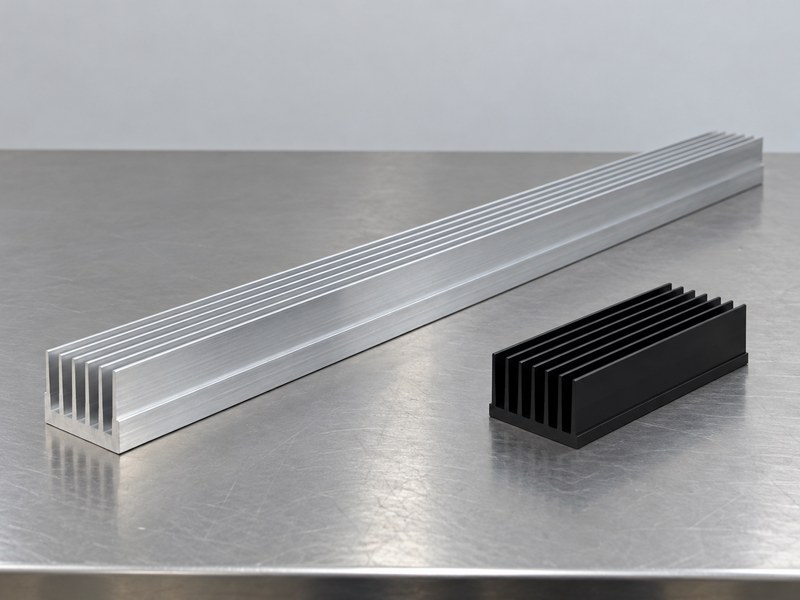
An anodized heat sink wholesaler should identify the profile width, base thickness, fin geometry and supplied length that matter to your assembly. Similar overall envelopes can hide different base sections or channel spacing. A photograph cannot establish those dimensions. Use a controlled drawing or a sufficiently detailed part specification, and state which dimensions apply to the finished coated component.
How do you handle additional machining?
If the order includes holes, slots or a device contact pad, define their datums and final condition. Ask whether CNC machined heat sinks will be inspected after the operations that could change those features. A wholesaler cutting a coated bar also needs instructions for cut ends and burr removal. Keep those requirements attached to the stocked profile identifier so later replenishment does not omit them.
- Match the extrusion drawing to the quoted identifier.
- Define cut length, end condition and tolerances.
- Identify final functional faces and mounting features.
| Profile detail | Why it belongs in the order |
|---|---|
| Base and fin section | Establishes the cooling geometry |
| Supplied length | Controls the final part envelope |
| Machined interfaces | Controls assembly fit and contact |
Resolve drawing differences before approving the seller’s stock as an equivalent part.
4. Which anodizing requirements should follow the stock?
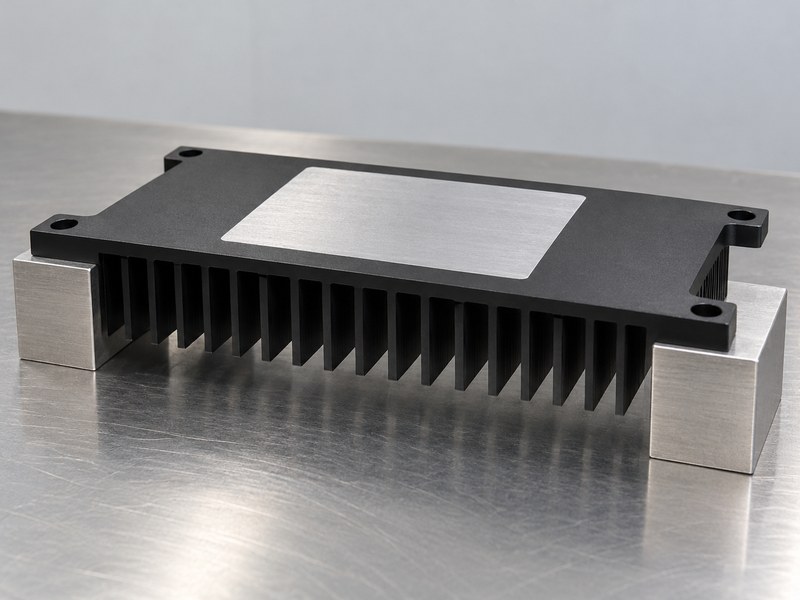
An anodized heat sink wholesaler needs a finish specification that separates appearance from functional requirements. State the process and acceptance conditions relevant to your application, including masked contact areas where required. A black color does not establish coating thickness, electrical behavior or corrosion performance. If the seller offers several finishing sources, agree whether those sources are interchangeable under your specification.
What evidence supports the finished condition?
Ask for the agreed batch and inspection evidence, including the measurement method where thickness is controlled. The ASTM B244 measurement method has a defined coating and substrate scope; a result still needs representative locations and suitable equipment. Review the intended thermal pad or other interface at the device contact face. Coating coverage and interface design need to work together in the delivered assembly.
- Specify the process and required coverage.
- Mark contact faces and masking boundaries.
- Define the finish records required at delivery.
| Finish requirement | Evidence to request |
|---|---|
| Appearance | Agreed reference and viewing conditions |
| Thickness | Suitable method and identified sample locations |
| Functional lands | Coverage and final surface condition |
Approve the finish on the same configuration used for the assembly sample.
5. How should you approve the first sample?
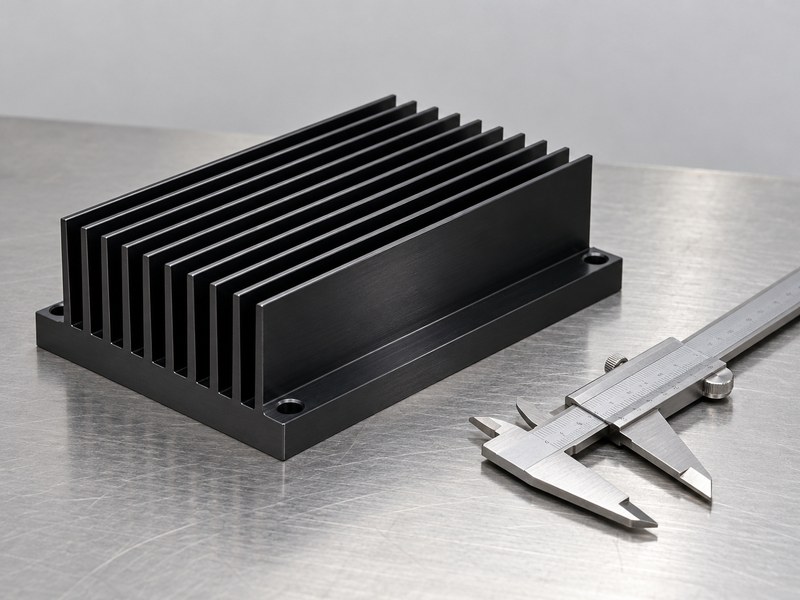
Approve an anodized heat sink wholesaler’s first sample against the intended production requirements. Check identity, finished dimensions, contact faces and the documents that the order requires. A sample selected only for appearance can miss an assembly problem. Establish whether the sample came from current stock, a separate trial or a proposed future source, and record that distinction before approving a repeat supply arrangement.
Which assembly details should be included?
Use the intended device interface and heat sink mounting hardware where a fit or clamping arrangement forms part of acceptance. Confirm access for tools and that fasteners seat on the specified lands. If thermal performance needs validation, use the installation’s defined load and cooling conditions. Keep the accepted sample and drawing revisions linked so an appearance approval is not mistaken for complete functional qualification.
- Establish the sample’s origin and stock status.
- Check finished fit with the intended assembly.
- Record the exact scope of approval.
| Sample check | Acceptance record |
|---|---|
| Identity and dimensions | Part and drawing revision |
| Mounting and contact | Assembly configuration reviewed |
| Thermal performance | Test conditions and acceptance limit |
State any remaining validation work before releasing a production quantity.
6. Which lot records should accompany delivery?
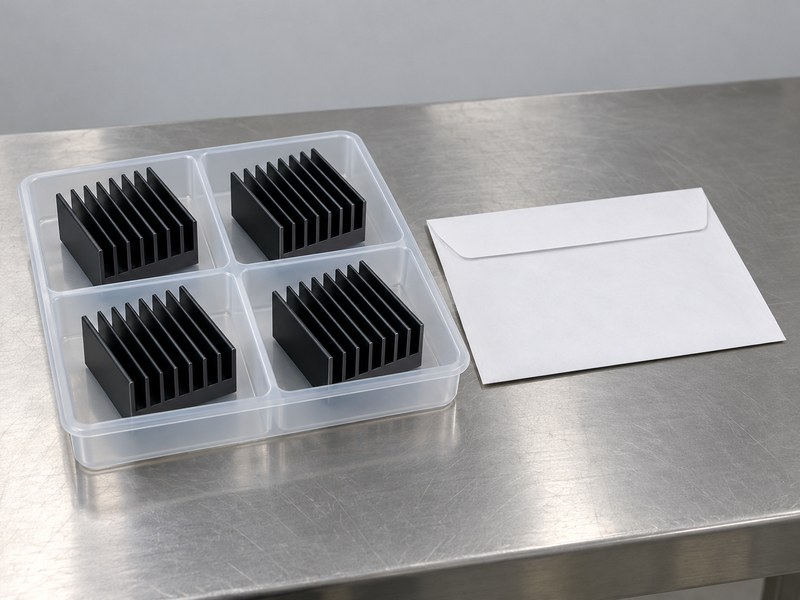
An anodized heat sink wholesaler should preserve the lot identification required by your order through storage, cutting and delivery. If material is divided or repacked, establish how the delivered pieces remain linked to the relevant records. Traceability can become unclear when similar profiles from different sources share a bin. Define the level of identification your application needs rather than assuming every seller uses the same system.
What changes when several lots fill one order?
Ask the seller to identify split lots and any differences in source, process or approved revision. Decide whether those lots can be mixed at your receiving or assembly stage. Keep the order’s traceability requirement proportional to the actual need, but make it explicit. A statement that records are available is less useful than an agreed list of documents and identifiers that will arrive with the shipment.
- Define the required delivered lot identity.
- Ask how cut and repacked material remains linked.
- Agree on handling and disclosure of split lots.
| Record link | Question to settle |
|---|---|
| Original stock to finished piece | How is identity retained after cutting? |
| Finish record to shipment | Which lot or batch does it cover? |
| Split lot to order | Are the separate sources identified? |
Check the documentation route during sample approval rather than after a delivery problem.
7. How do you compare wholesale quotations?
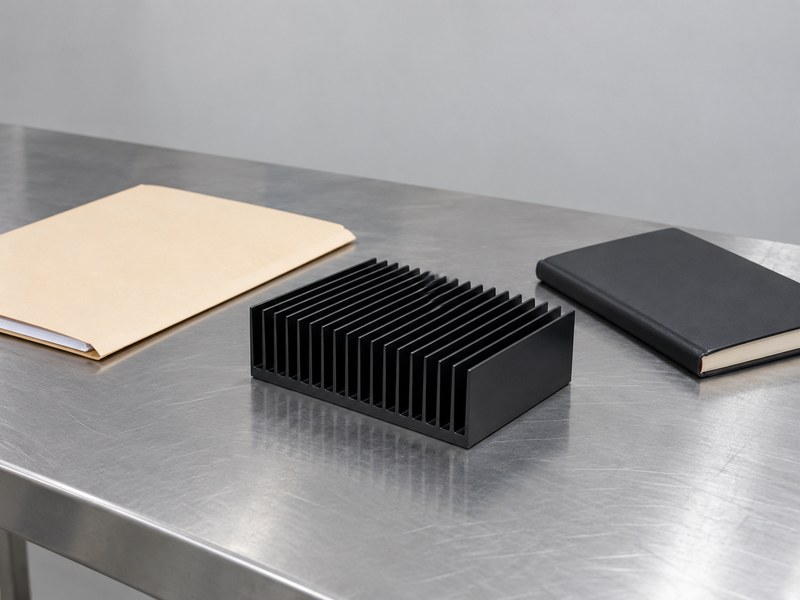
Compare an anodized heat sink wholesaler quotation against a common supplied scope. Unit prices can cover different lengths, finishes, inspection records or packaging conditions. Identify setup charges and any remaining processing separately from the stock price. Ask suppliers to state assumptions so your team can compare the complete order rather than choosing between offers that describe different finished components.
Which commercial details should be written down?
Record the quantity, quotation validity, delivery basis and conditions for partial shipments or substitutions. Include the agreed handling of nonconforming parts and any sample approval dependency. Those details should be consistent with your purchasing process and the accepted specification. If the seller proposes a change after quoting, obtain a revised offer that identifies what changed before treating the original price and scope as current.
- Compare the same finished part and quantity.
- Separate stock, processing and delivery charges.
- Retain the accepted quotation revision.
| Quote item | Comparison question |
|---|---|
| Unit scope | Which finished component is included? |
| Additional operations | Which charges and records remain outside the unit price? |
| Delivery conditions | Which quantities and shipment arrangements are covered? |
Use the completed comparison to identify differences that need a supplier response.
8. How do you check a supplier’s technical claims?
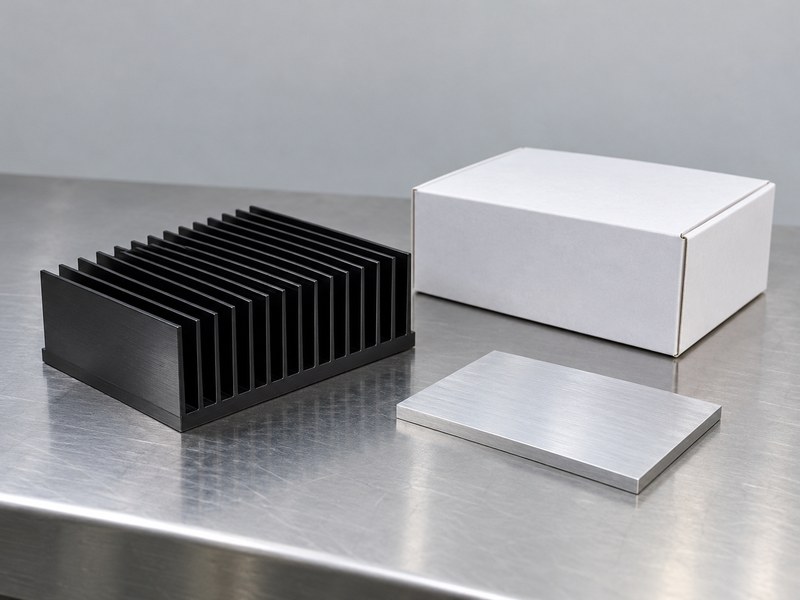
Check an anodized heat sink wholesaler’s claims against evidence for the particular part and process offered. A general company brochure does not establish a cooler’s thermal resistance or the delivered finish’s properties. Ask who generated the data, which configuration it covers and whether the stated conditions match your application. Keep marketing descriptions separate from acceptance requirements that your team must be able to verify.
What should happen when evidence is incomplete?
Identify the missing question and request the smallest useful evidence that can answer it. That may be a drawing, a batch-linked record or a controlled prototype test. Do not replace an engineering requirement with an unsupported claim of equivalence. Where the seller sources from several manufacturers, agree how a source change affects the accepted data and whether your team must review the replacement configuration.
- Match data to the offered configuration.
- Identify the measurement or inspection conditions.
- Define approval requirements for source changes.
| Claim | Evidence boundary |
|---|---|
| Thermal performance | Geometry, interface and cooling conditions |
| Finish property | Process, sample and applicable test |
| Equivalent replacement | Features and requirements compared |
Keep unresolved evidence gaps visible until the relevant approval is complete.
9. What should packaging and receiving protect?
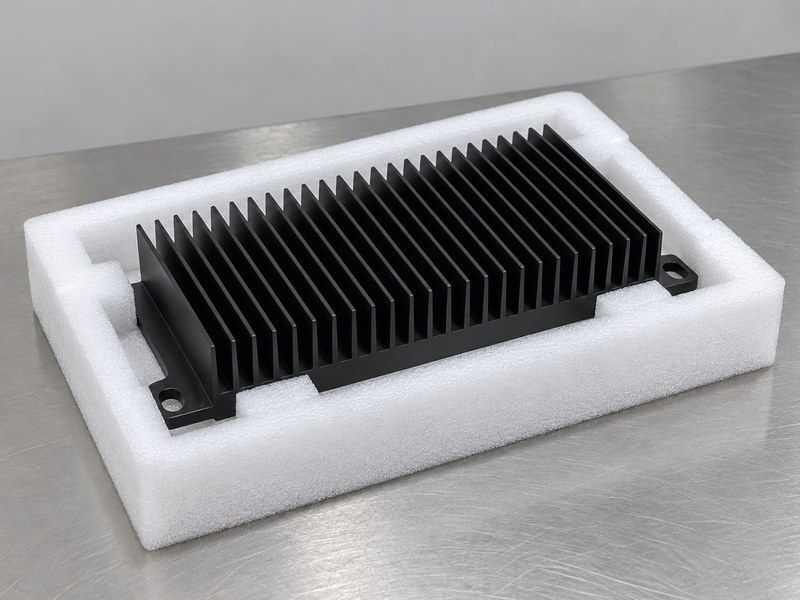
An anodized heat sink wholesaler should package parts so the accepted finish and geometry survive delivery. Thin fin tips should not carry stacking loads, and adjacent parts should not rub across device contact faces. Specify the condition required at receiving, including cleanliness where residue could affect an interface. Packaging is part of the supplied order, not a detail that a protective coating makes irrelevant.
Which receiving checks help catch a supply problem?
Inspect the part identity, quantity and relevant finished features using the agreed plan. Preserve packaging evidence when damage is found, and keep questionable material identified while its disposition is reviewed. Compare the delivered records with the lot identification on the parts or container. Report recurring issues with clear locations and examples so the seller can distinguish a packaging problem from a processing or handling problem.
- Support solid base features during transport.
- Protect finish and contact faces from rubbing or residue.
- Keep damaged or unidentified material traceable.
| Delivery feature | Receiving check |
|---|---|
| Part protection | Fins and functional faces retain their condition |
| Identification | Delivered items match the order and records |
| Packaging condition | Damage evidence is retained when needed |
Use the first production shipment to confirm that the agreed packaging works at the ordered quantity.
10. How do you control repeat orders and substitutions?
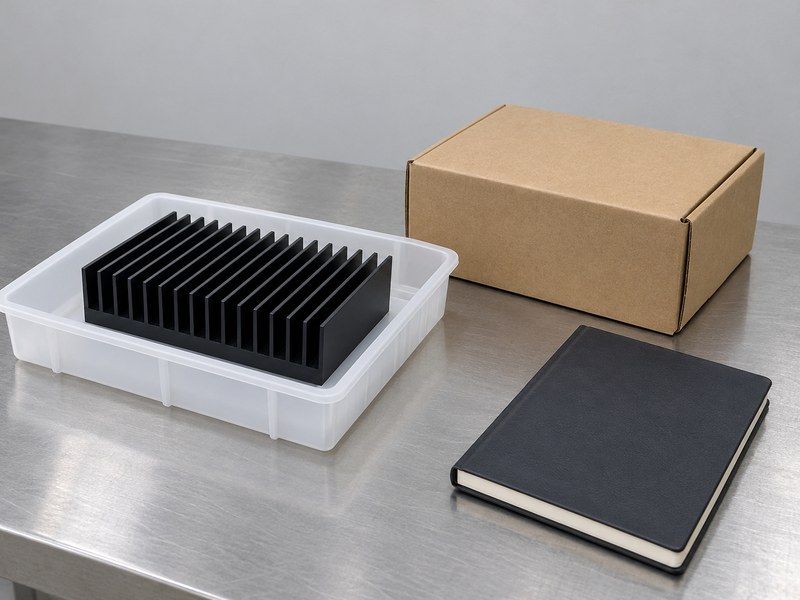
Control repeat orders from an anodized heat sink wholesaler by retaining the accepted part definition, source requirements and change process. The same stock code can remain in use after a change in extrusion, finish or remaining machining. Ask which changes require notification and which require approval before delivery. Your purchasing system should carry the drawing and finish revisions needed to identify the accepted configuration.
What should the reorder review confirm?
Confirm current availability and whether the next order will use the same approved configuration. Review proposed substitutions against the requirements that affect fit, contact and performance. If the original source is unavailable, agree on the sample and inspection work needed for the replacement. Keep those decisions linked to the order rather than relying on an assumption that a similar appearance means an equivalent component.
- Retain the accepted drawing and finish revisions.
- Require disclosure of relevant source or process changes.
- Define the approval route for replacement stock.
| Reorder control | Information to retain |
|---|---|
| Accepted configuration | Part, drawing and finish revisions |
| Supply change | Affected source, geometry or process |
| Replacement approval | Review and sample evidence required |
Send your finished-part drawing and repeat-order requirements when you contact us so the supply review addresses the component you need to receive consistently.
Frequently asked questions
Q1: Can a wholesaler supply a part made by another manufacturer?
Yes. Establish the source, supplied scope and responsibility for conformity. Define how later source changes will be handled.
Q2: What’s the best proof that quoted stock is ready to ship?
Request confirmation for the exact part, quantity and finished condition. Identify any remaining processing, inspection or allocation step.
Q3: How do I know whether two profiles are interchangeable?
Compare controlled drawings and functional requirements. Similar width, color or catalog appearance does not establish equivalent geometry or performance.
Q4: Can one order include several finishing batches?
Yes, if your requirements permit it. Agree how the batches are identified and whether they can be mixed during receiving or assembly.
Q5: Should I approve a substitute before the wholesaler ships it?
Yes, when the agreed change process requires approval. Review the affected features and records before accepting a different configuration.